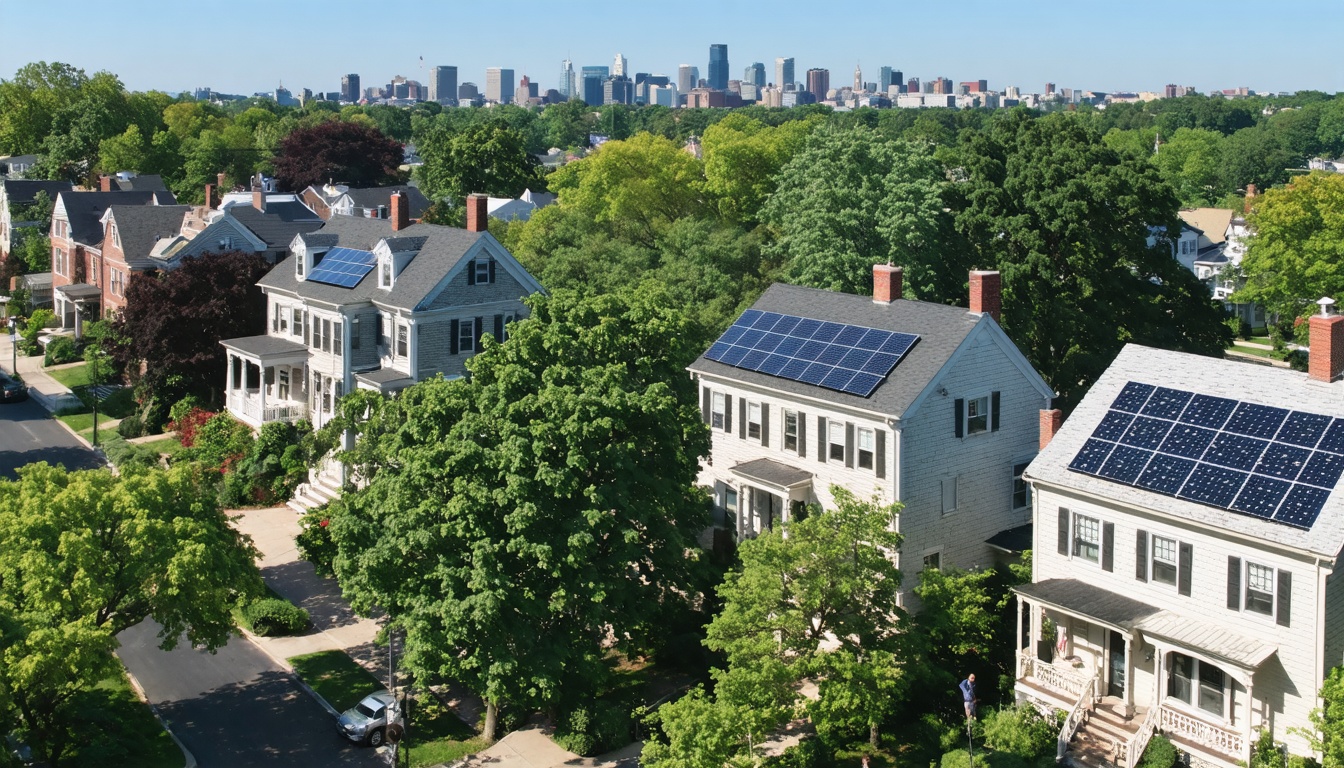
How Providence, Rhode Island Homeowners Can Make the Most of Their Solar Potential
Homeowners in Providence, Rhode Island, can benefit from solar energy systems to potentially reduce electricity expenses, enhance property value, and contribute to environmental sustainability. Various local incentives and evolving utility rates currently present favorable conditions for investment in solar technology. However, several specific considerations unique to Rhode Island must be evaluated before proceeding. The state's climate, characterized by seasonal variations including cold winters and humid summers, influences the efficiency of solar panels. Additionally, the architectural styles of many homes may affect the viability of solar installations due to factors such as roof orientation and shading from surrounding structures. Furthermore, Rhode Island has regulations and permitting processes that homeowners should familiarize themselves with prior to installation. Understanding these factors can inform the decision-making process and ensure that homeowners make an investment that aligns well with their specific circumstances. An analysis of these elements will provide a clearer picture of the potential benefits and challenges associated with adopting solar energy in Providence.
Solar Power in Providence
High electricity costs in Providence, Rhode Island, make solar power a practical consideration for homeowners. As utility bills have shown a consistent trend of annual increases, options such as Palmetto Solar, leasing alternatives, and programs like LightReach provide financial solutions that can appeal to those exploring renewable energy sources, and for more information about local providers, homeowners can visit https://solarpanelsprovidenceri.com/.
For an average medium-sized home, roughly 2,000 square feet, a solar system with a capacity of 10 kW is typically necessary to address an annual electricity consumption of about 13,000 kWh. The initial expenditure for such a system is approximately $23,888. Homeowners can opt to purchase the system outright or consider leasing arrangements to mitigate upfront costs.
Net metering policies allow homeowners to receive credit for any excess energy produced by their solar installations, potentially leading to additional savings. Furthermore, a Production Guarantee can assure homeowners of a minimum level of energy generation, enhancing the financial rationale for investing in solar technology from the outset.
Nathan Healy, Vice President of a local solar provider, notes the importance of understanding the federal incentives available for solar energy, which can be complex and subject to change. Detailed reviews and frequently asked questions can assist homeowners in navigating these incentives, providing clarity in the decision-making process.
In conclusion, the consideration of solar power in Providence is based on significant economic factors and available financing options, presenting a viable solution for homeowners looking to reduce electricity expenses over time.
Electricity Prices and Utility Providers in Rhode Island
Electricity costs are a critical consideration for homeowners in Providence contemplating solar energy solutions. In Rhode Island, the average residential electricity rate is approximately 28 cents per kilowatt-hour. This rate has demonstrated consistent increases over time, surpassing the national average. The main utility provider in the area, National Grid, primarily depends on imported energy, which contributes to these higher costs.
Consequently, many homeowners are exploring solar energy options from providers such as Palmetto and LightReach. Installing solar panels enables homeowners to produce their own electricity, which can lead to potential savings. Research indicates that adopting solar energy could reduce utility expenses by about $225 per month when compared to conventional utility bills.
To enhance the financial feasibility of transitioning to solar power, mechanisms like net metering are available. These allow homeowners to earn credits for any excess electricity generated, further decreasing their energy costs.
Additionally, options such as cash purchases or various financing arrangements can help address the initial investment required for solar installations.
While the landscape of solar energy costs may appear complex, there are a range of resources designed to provide clear guidance for homeowners interested in utilizing this renewable energy source.
Comparing Solar Panel Costs and Financing Options
When considering the installation of solar panels for residences in Providence, it is important to analyze the initial costs and available financing options. A medium-sized solar panel system, generally suited for homes around 2,000 square feet, costs an estimated $23,888 in Rhode Island. This equates to an average of $3.24 per watt.
Homeowners have several financing methods to explore. One option is Palmetto’s LightReach lease, with payments starting at approximately $117 per month. This leasing approach allows homeowners to achieve immediate savings while avoiding upfront costs, as maintenance is included in the lease terms.
On the other hand, purchasing a solar panel system outright can yield a payback period of about 7.9 years. During this period, homeowners can potentially offset around $225 per month in traditional electricity expenses.
Palmetto provides clear information regarding the costs associated with solar energy adoption and the expected payback timeframe.
Ultimately, the decision to lease or purchase a solar panel system should be made based on individual financial situations and long-term energy objectives. It is advisable for homeowners to conduct a thorough assessment of their own circumstances before making a decision.
Rhode Island Solar Incentives and Grant Programs
Rhode Island provides several incentive programs designed to enhance the affordability and accessibility of solar energy for homeowners. A key component of these programs is net metering, which permits homeowners to earn credits at a 1:1 ratio on their electricity bills for any surplus energy generated by their solar installations. These credits can accumulate without an expiration date, potentially leading to long-term reductions in electricity expenses.
Another significant program is the Renewable Energy Fund (REF) grant, which can reduce the upfront costs associated with solar installation by offering as much as $12,375 for a medium-sized residential solar system. This financial assistance is intended to alleviate some of the initial financial burden for homeowners considering the switch to solar energy.
The Renewable Energy Growth (REG) contract, spanning a period of 15 years, provides a predetermined payment for each kilowatt-hour (kWh) of electricity generated. This offers a degree of predictability in expected earnings from solar energy production throughout the duration of the contract.
In addition, homeowners can take advantage of a property tax exemption that applies to the increased value resulting from solar systems, which can contribute to reduced tax liabilities.
As the costs of solar technology continue to rise, tools like Palmetto’s Cost Calculator can help homeowners assess the financial viability of solar energy systems for their specific properties. Additionally, insights from local experts, such as Nathan Healy, can offer valuable guidance on the practicality and economic considerations of solar investments in the Providence area.
Solar Production and Seasonal Performance in Providence
Solar performance in Providence exhibits seasonal fluctuations, largely influenced by the city's climatic conditions. During the summer months, solar systems typically see enhanced electricity production due to increased sunlight availability. In contrast, winter months can result in significantly reduced output, with studies indicating that production may decrease by as much as 50% in December compared to July.
Data from PVWatts and national averages suggest that a standard 10 kW solar photovoltaic (PV) system in Rhode Island can generate approximately 13,000 kWh annually. Homeowners have various options to invest in solar energy, including leasing through Palmetto, outright cash purchases, and utilizing tools like the Cost Calculator.
To effectively manage the financial aspects of solar investment, it is crucial to consider system size, local environmental factors, and variations in daylight hours. These factors can enhance potential savings and ensure a more efficient use of the solar system from the outset, even in the face of seasonal performance variability.
Analyzing Return on Investment and Payback Periods
Investing in solar energy presents concrete financial benefits for homeowners in Providence. On average, homeowners can expect to recover their initial investment within approximately seven years. Given the trend of rising electricity costs in Rhode Island, many residents are considering solar systems as a practical method to reduce expenses, with potential monthly savings estimated at around $225 from the first month of operation.
Analysis of typical system sizes reveals that standard installations in the area average around 7.38 kW. In the absence of solar technology, homeowners may face a steady increase in their electricity bills over time.
According to data from the PVWatts calculator and various industry reviews, the payback period for solar investments commonly ranges from three to nine years. This range is influenced by several factors, including eligibility for tax credits and individual energy consumption behaviors.
In summary, the financial benefits of adopting solar energy become more evident when evaluating potential savings alongside the time needed for cost recovery.
Leasing Versus Owning Solar Systems
Choosing between leasing and owning a solar system is an important decision for homeowners in Providence seeking to improve energy efficiency and savings. Leasing options, such as those available through LightReach, require no upfront payment and allow immediate access to solar energy. Typically, monthly lease payments are structured to be comparable to or less than existing electricity costs, which may lead to some initial cost savings.
On the other hand, owning a solar system, such as a 7.38 kW installation estimated at around $23,888, offers distinct benefits.
Homeownership of solar systems can contribute to an increase in property value, with estimates suggesting a potential rise of approximately 4.1%. Additionally, homeowners who own their systems can benefit from net metering credits, which compensate them for any excess energy generated.
While leasing usually entails a straightforward arrangement where the leasing company, like LightReach, retains ownership and handles maintenance, ownership provides full access to federal incentives and the option for cash purchases. Moreover, it allows homeowners to build equity in the solar system, a feature not available with leasing. Local companies such as Palmetto can assist homeowners throughout the ownership process.
Ultimately, the decision between leasing and owning a solar system should take into account individual financial circumstances, long-term energy objectives, and preferences regarding system management.
Customer Experiences and Palmetto Reviews
Homeowners in Providence can anticipate various experiences when collaborating with Palmetto for solar installation. Customer feedback indicates that many individuals appreciate the company's efforts to communicate solar options clearly.
Palmetto aims to provide transparent information regarding financing methods, such as leases and cash purchases, which may mitigate confusion for those considering solar energy.
Reviews consistently highlight the company's emphasis on customer service, with clients typically reporting timely and comprehensive responses to their questions. This approach is intended to equip homeowners with the information necessary to make informed decisions about adopting solar energy, irrespective of their property size.
Post-installation, numerous customers recognize financial benefits, particularly through decreased monthly electricity bills. Palmetto includes a Production Guarantee, which is designed to ensure that the solar systems generate enough energy to offset average electricity costs in the U.S., utilizing data from PVWatts modeling software for accuracy.
This aspect reinforces the company's objective to provide a reliable and economically efficient solar solution for residents in Rhode Island.
Conclusion
Homeowners in Providence, Rhode Island, may find that installing solar panels can result in reduced electricity bills, an increase in property value, and a decrease in carbon footprint. Rhode Island offers several incentives, including tax credits and rebates, which can make the initial investment in solar energy more manageable. Additionally, there are multiple financing options available that can suit various budgets. To determine the suitability of solar energy for your home, it is important to assess your property's solar potential. Factors such as roof orientation, shading, and local energy consumption patterns should be considered. Furthermore, comparing different types of solar systems—such as grid-tied, off-grid, or hybrid—can help in selecting the appropriate solution for individual energy needs. Investigating local solar programs, as well as consulting customer reviews, can also provide valuable insights into the performance and reliability of solar installation companies in the area. By methodically examining these aspects, homeowners can make informed decisions that will maximize the benefits of their solar investment.