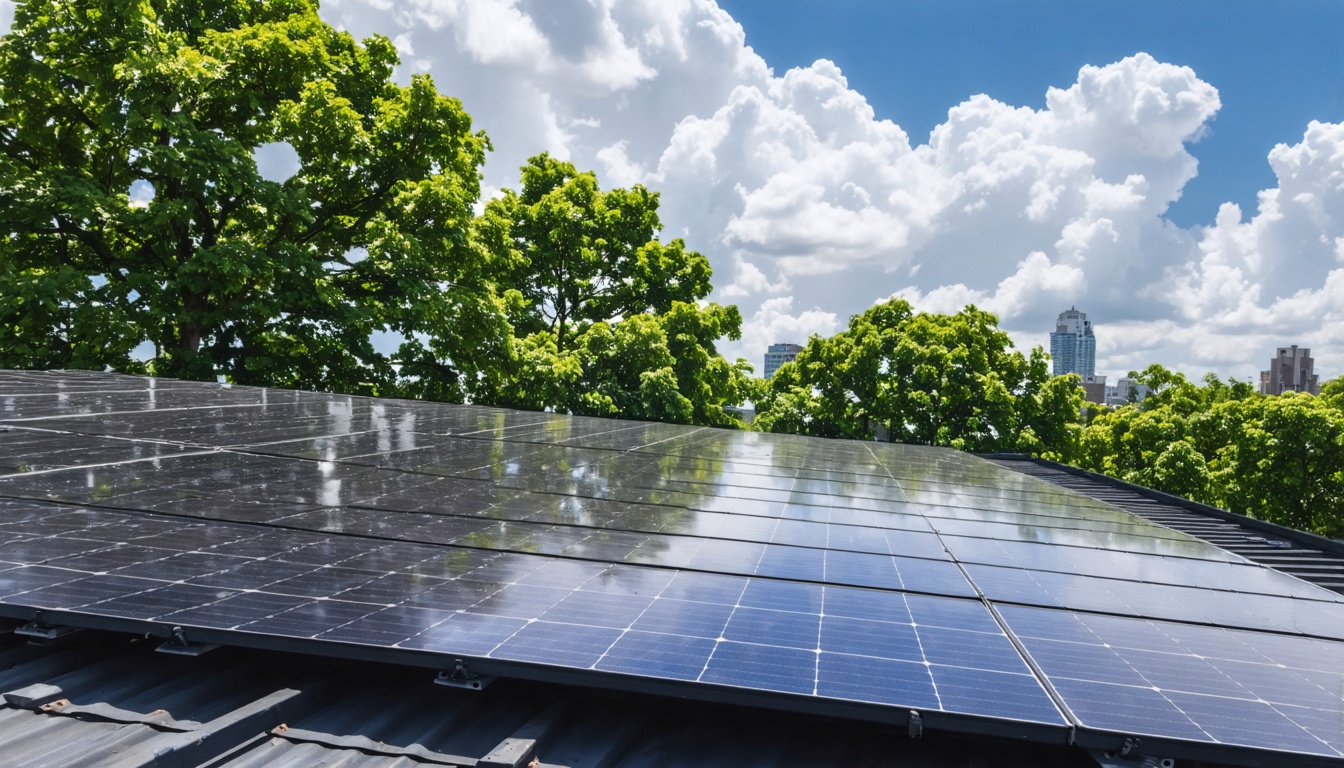
How Local Weather Shapes Solar Energy Decisions in Jamaica, New York
When considering the installation of solar energy systems in Jamaica, New York, it is essential to evaluate the impact of local weather conditions. The region experiences seasonal variations that influence sunlight availability, cloud cover, and storm frequency, all of which can affect the efficiency and energy output of solar panels. During the summer months, Jamaica typically sees increased sunlight, which can enhance solar energy production. However, the presence of humidity may occasionally lead to reduced efficiency of solar panels, as a humid environment can affect their operational temperature and consequently, their output. In contrast, winter conditions, including snowfall and lower temperatures, can also impact solar energy systems. Snow accumulation on panels can obstruct sunlight, necessitating regular maintenance to ensure optimal energy production. Conversely, colder temperatures can benefit solar panel performance, as solar panels tend to operate more efficiently when they are cooler. Additionally, the frequency of storms throughout the year poses a risk to solar installations. High winds and precipitation can lead to physical damage or degradation of equipment over time. Therefore, homeowners and businesses should consider local weather patterns and potential climate-related risks when planning solar installations. In conclusion, understanding the local weather in Jamaica, New York, is crucial for making informed decisions regarding solar energy systems. By taking into account seasonal variations and their impact on solar panel efficiency and maintenance, individuals can better evaluate their energy needs and the viability of solar power for their properties.
Weather Patterns and Solar Feasibility in Jamaica, New York
Weather patterns in Jamaica, New York, show an average of approximately 202 sunny days per year. This climate suggests that solar energy could serve as a viable alternative for energy generation among homeowners and businesses in the area. For those considering this option, exploring Jamaica Solar Panel Installation can provide insights into the process and benefits of adopting solar technology, which may decrease dependence on traditional energy sources such as natural gas.
Individuals and organizations interested in solar energy can access resources regarding incentives, funding opportunities, and policy developments through entities like the New York State Energy Research and Development Authority (NYSERDA) and PSEG Long Island. These resources are essential for those considering solar project implementations.
The market in New York State appears to be conducive to solar energy initiatives, supporting a range of projects from small community endeavors to larger commercial installations.
Prospective solar adopters are encouraged to review feasibility data maps, which provide insights into site-specific solar potential as well as possible battery storage solutions. Such analyses may help in addressing financial concerns related to the installation and upkeep of solar energy systems.
In summary, the increasing interest in solar energy in Jamaica, New York, reflects a broader state-level trend facilitated by supportive market conditions and available resources for development.
Seasonal Sunlight Availability and Solar Output
When assessing the viability of solar investments in Jamaica, New York, it is important to consider the impact of seasonal variations in sunlight on system performance. Solar energy output generally peaks in the summer months, aligning with longer daylight hours which can lead to advantageous energy production for both residential and commercial installations.
Accessing financial incentives from organizations such as NYSERDA, PSEG Long Island, and other state programs can help mitigate intermittent costs associated with these seasonal variations.
Conversely, during the winter months, solar energy production typically declines due to shorter daylight hours and increased likelihood of inclement weather conditions. This reduction in output may lead to a greater dependence on battery storage solutions or conventional electricity sources, which are largely reliant on natural gas.
To improve the efficiency and sizing of solar systems, contractors often utilize solar data maps and conduct performance modeling.
It is also essential for stakeholders to remain aware of funding opportunities, changes in policies, and resources that are available. This approach can help optimize financial returns and address potential challenges that arise from seasonal fluctuations in solar energy generation.
Impacts of Storms and Extreme Weather Events
The increasing occurrence of storms and extreme weather events in Jamaica, New York, highlights the growing demand for dependable energy solutions. The trend is shifting towards the adoption of solar and battery systems as viable backup electricity options for a range of applications, including community centers and commercial enterprises. The stability of the power supply is critical, as interruptions can have significant consequences for essential services, raising concerns for both residents and contractors.
In response to these challenges, various entities such as NYSERDA, the state government, and PSEG Long Island are providing incentives, funding opportunities, and access to data resources to assist stakeholders in adapting to this changing environment.
It is important for individuals and organizations to evaluate these resources and remain updated on policy developments that may influence their energy options.
Additionally, analyzing costs and comparing these alternatives against conventional gas solutions is crucial for planning energy resilience. Ultimately, decisions made based on comprehensive data and thorough analysis will be vital in addressing the implications of increasingly severe weather patterns in the region.
Evaluating System Sizing for Local Climate Conditions
Evaluating the sizing of solar energy systems in Jamaica, New York, necessitates an understanding of local climate conditions, as they impact system performance and maintenance needs. Key data points to consider include annual precipitation, the average number of sunny days, and regional temperature averages.
Utilizing resources from the New York State Energy Research and Development Authority (NYSERDA) and PSEG Long Island can aid in developing customized solar projects tailored to the specific electricity demands of residential or commercial entities, while also reducing reliance on natural gas.
In addition, state incentives and funding programs are available to support the deployment of both small and large-scale solar systems, which can reduce overall expenditure. Consulting with local contractors can provide valuable practical insights into system installation and maintenance.
Staying updated on current policies and accessing pertinent resources is essential for navigating the evolving solar energy landscape in this region.
The Role of Energy Storage in Ensuring Reliability
Energy storage is integral to improving the reliability of solar energy systems in Jamaica, New York, particularly during periods of low solar irradiance or nighttime. By capturing surplus electricity generated during peak sunlight hours, energy storage allows users to utilize this stored power later, reducing reliance on fossil fuels. This technology can be effectively applied in both small-scale installations, such as residential setups, and large-scale ventures, including community solar arrays and commercial energy systems.
In New York State, the incorporation of energy storage is supported by various policies and incentives facilitated by the New York State Energy Research and Development Authority (NYSERDA). These programs aim to encourage the implementation of energy storage solutions that are both technologically sound and financially accessible for a diverse range of projects.
Stakeholders are encouraged to consult available resources such as data maps, Quick Links, and PSEG Long Island Funding Opportunities to stay informed about current incentives and resources for energy storage.
Moreover, the financial challenges associated with the implementation of high-cost energy storage systems can be addressed through various funding initiatives, which aim to enhance equitable access to reliable and sustainable energy alternatives across different communities.
Economic Considerations Affected by Weather Variability
Investments in solar energy in Jamaica, New York, require a careful assessment of weather variability and its impact on financial outcomes. New York experiences an average of approximately 2,500 hours of sunshine each year; however, variations in weather patterns can create uncertainties in electricity generation for both small and large solar projects.
Utilizing resource maps and data from the New York State Energy Research and Development Authority (NYSERDA) can help investors stay updated on state policies and potential incentives for solar energy adoption.
Furthermore, implementing battery storage systems can mitigate the risk of production deficits during periods of reduced sunlight, thereby lessening reliance on gas supplied by PSEG Long Island.
The presence of financial incentives and the rising costs of electricity can improve the economic viability of solar investments. Engaging with knowledgeable contractors is critical to navigating and optimizing available funding opportunities.
This methodical approach supports alignment between solar energy projects and both operational objectives and financial targets.
Community Adoption and Local Experiences with Solar
In Jamaica, New York, the integration of solar energy is actively supported by governmental initiatives, particularly the NY-Sun program. This program is designed to enhance solar power usage among residents by offering various options that allow electricity cost reductions without the need for individual ownership of solar panels.
Community solar projects serve as a crucial alternative for those unable to install solar systems on their rooftops, enabling broader participation in the solar energy market.
Several organizations contribute to this effort, including the New York State Energy Research and Development Authority (NYSERDA), local contractors, and utility companies such as PSEG Long Island. These entities provide funding opportunities, incentives, and comprehensive data resources to support the transition towards solar energy.
Such resources enable participants to better understand how both small-scale and larger solar installations can reduce reliance on traditional energy sources, including natural gas, and provide backup power solutions during outages.
The solar energy market in New York has experienced notable expansion, with an increasing number of households and businesses recognizing the benefits of incorporating solar energy into their overall energy strategy.
This trend indicates a greater movement towards sustainable energy adoption, which is influenced by both economic factors and environmental considerations.
Policy Support for Weather-Resilient Solar Installations
In light of New York's fluctuating climate conditions, state and local policymakers are placing a significant focus on the development of weather-resilient solar installations. This initiative is manifested through various legislative measures and incentives aimed at supporting the implementation of such projects. Notable programs like the Accelerated Solar Adoption Program (ASAP) Act and the NY-Sun Program are designed to provide funding opportunities that address the financial challenges associated with both small and large-scale solar installations.
The New York State Energy Research and Development Authority (NYSERDA) plays a vital role by offering resources such as data maps. These tools assist contractors in developing solar solutions that can maintain operational capability during power outages and reduce reliance on gas.
The emphasis on resilience is crucial for commercial and community solar projects situated in areas like Long Island and Jamaica, which frequently employ battery storage systems to bolster their reliability.
Furthermore, it is important for stakeholders to stay informed about policies that not only facilitate equitable market growth but also contribute to sustainable energy stability across the state. The strategic integration of these elements is necessary for establishing a durable solar infrastructure that can respond effectively to evolving environmental challenges.
Resources for Residents Exploring Solar Solutions
Wondering what resources are available for residents interested in solar energy in Jamaica, New York? You’ll find a range of local and state programs that make renewable energy adoption easier and more affordable. You can access NYSERDA’s Funding Opportunities and the DSIRE incentives database to review Market options, commercial Projects, and incentives, including the Energy Conservation Improvements Property Tax Exemption. Community Solar lets you benefit from electricity savings without installing panels. Use data maps and Quick Links to stay up to date. NY-Sun supports Small and large installations, including Battery storage, and PSEG Long Island brings local resources and Policy updates.
Conclusion
When evaluating the viability of solar energy in Jamaica, New York, it is essential to analyze local weather patterns as they directly influence the efficiency and output of solar systems. Key factors such as the amount of sunlight received, frequency of storms, and seasonal variations can significantly impact the effectiveness of solar energy systems. Jamaica's climate generally features a moderate amount of sunshine, which is conducive to solar energy generation; however, periods of cloud cover and inclement weather can reduce solar output. In addition, the region does experience seasonal temperature fluctuations that can affect the performance of solar panels. For instance, colder temperatures can enhance the efficiency of photovoltaic systems, yet heavy snowfall could necessitate additional maintenance to ensure panels remain clear for optimal energy absorption. Also important to consider are potential incentives available for solar installation in the region. New York offers various tax credits and rebates that can enhance the economic feasibility of solar investments. By thoroughly assessing these incentives alongside the impact of local weather patterns, homeowners can make more informed decisions regarding system capacity, battery storage options, and ongoing maintenance requirements. In summary, while Jamaica, New York presents certain weather-related challenges for solar energy deployment, informed planning can help optimize the benefits of solar technology in this area.